Score Big with a Professional Volleyball Tournament Flyer
Organizing a local tournament, promoting a summer camp, or rallying the community for a charity match requires more than just setting up the nets and marking the lines. You need to generate buzz. You need to fill the seats. For organizers of sporting events, the visual communication often falls to the wayside in favor of logistics, yet it is the single most important factor in driving attendance. A cohesive, high-energy announcement captures the spirit of the game before the first whistle blows. This is where having a professional, ready-to-edit design asset becomes a game-changer. Rather than staring at a blank canvas, you can utilize a structured layout that speaks the language of sports marketing immediately.
Why Visual Consistency Matters in Sports Marketing
Whether you are managing a women's volleyball league or hosting a high-stakes professional service networking event disguised as a friendly match, your branding sets the tone. A disjointed flyer—where the font clashes with the imagery or the information is hard to read—can make an event look amateurish. In contrast, a well-structured design establishes credibility. It signals to the audience that the event is organized, professional, and worth their time.
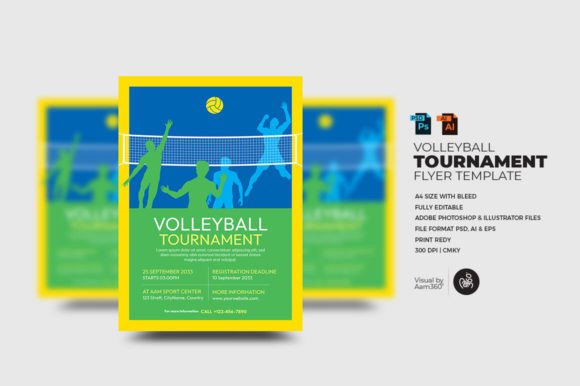
The visual appeal of a sports flyer relies heavily on dynamic energy and clarity. You want the viewer to feel the motion of the game just by looking at the paper or screen. This requires a balance between bold typography and clean layout. When you use a template designed specifically for this niche, the heavy lifting of composition is already done. The hierarchy of information—dates, times, location, and registration details—is pre-arranged to guide the viewer's eye naturally. This ensures that your key message doesn't get lost in the noise, which is a common pitfall when designing from scratch without a background in visual communication.
Maximizing Your Design Assets: From Print to Digital
One of the biggest challenges in modern marketing is the need to be everywhere at once. You aren't just printing flyers to pin on community boards; you are posting to Instagram, updating Facebook events, and sending out email newsletters. This requires a versatile file format. A high-quality template is designed to bridge the gap between physical and digital mediums seamlessly.
Consider the specifications of a robust design file. For print, you need high resolution and bleed settings to ensure no white edges appear when the flyer is cut. For digital, you need a file that exports cleanly to PDF or JPG without losing color vibrancy. When a template is built in industry-standard software like Adobe Illustrator or Adobe Photoshop, you gain total control over these outputs. You can resize elements for an Instagram story or a Twitter header without pixelation because vector-based files allow for infinite scalability. This flexibility is crucial for anyone managing a brand identity across multiple platforms.
Practical Applications Beyond the Game
While the primary goal is often a single event, the value of a premium design asset extends much further. If you run a volleyball camp, you can adapt the flyer template into a brochure layout or a registration form. If you are a coach selling merchandise, the design elements can be repurposed for packaging design or social media graphics announcing new gear drops.
Think of the template not as a one-time use item, but as a foundation for a broader visual language. You can extract the color palette and typography choices to create a cohesive look for your team's website, blog headers, or even invitations for end-of-season parties. By maintaining visual consistency across these different touchpoints, you build brand recognition. Your audience will start to associate those specific colors and design motifs with your organization, creating a sense of professionalism that rivals larger, better-funded leagues.
Customization: Making the Template Your Own
The true power of a professional template lies in its editability. A generic stock image is static, but an editable design file is a dynamic tool. The ability to change text, swap colors, and move objects means you can tailor the message to fit specific needs.
For example, if you are promoting a women's volleyball tournament, you might want to adjust the color scheme to match the team uniforms or the league's branding guidelines. If the event is a "Volleyball Game" fundraiser, you might want to highlight the cause more than the sport itself. An editable file allows you to shift the focus. You aren't locked into a rigid structure; you are given a framework to build upon.
Furthermore, typography plays a massive role in the mood of the piece. A template usually comes with a curated font pairing, but having the freedom to swap these out allows you to match the typography to your specific project goals. A charity event might benefit from a softer, handwritten font to evoke warmth, while a competitive tournament might require a bold, sans-serif display font to convey intensity and power. Testing different font pairings within the provided structure helps you find the perfect voice for your event.
Navigating the Technical Details
When investing in design assets, it is important to understand what you are receiving to avoid workflow bottlenecks. A professional service template typically includes specific file types—most commonly AI (Adobe Illustrator) and PSD (Adobe Photoshop). It is vital to ensure you have access to this software before purchasing, as these files cannot be fully edited in basic free editors like Canva or Microsoft Word.
Additionally, pay attention to the typography details. Premium templates often utilize free fonts to keep costs down for the user, but you must download and install these specific fonts to ensure the flyer looks exactly like the preview. A helpful "Read Me" or help file is invaluable here, often containing direct download links for the fonts and video tutorials on how to edit specific layers. Ignoring these technical steps can lead to missing fonts and layout shifts, so taking five minutes to review the documentation is a best practice for any designer or business owner.
Final Thoughts on Professional Presentation
In the crowded landscape of event marketing, standing out is non-negotiable. A polished, visually appealing flyer does more than just convey information; it creates an atmosphere. It promises the audience an experience—whether that is the thrill of competition, the camaraderie of a camp, or the excitement of a community gathering.
By leveraging a high-quality template, you are essentially collaborating with a professional designer. You are taking their expertise in layout, color theory, and visual hierarchy and applying it to your unique message. This approach saves time, reduces stress, and ultimately produces a marketing asset that you can be proud to share. Whether you are printing a stack of flyers for the local coffee shop or launching a digital campaign, starting with a solid design foundation ensures your message hits the net every time.